Blog & News
Product updates, practical guides and stories from EvoClass.

Starting with a Single "唔該": Bringing Cantonese into Everyday Life in Hong Kong
From ordering at a cha chaan teng to asking for directions on public transport, EvoClass CHN000 "Practical Everyday Cantonese for Hong Kong" is built around ten real-life scenarios, helping adults who have just arrived in Hong Kong to live, work or study turn learned phrases into a conversation they can keep going.

The SQL Ran Fine—But Is the Answer Right? Inside PolyU's DSAI2202 Database Principles Course
A query that runs smoothly can still leave out the very person who most needs to be seen. From the relationships between tables to the boundaries of data modification, DSAI2202 offers a learning path for understanding and testing SQL—and for asking deeper questions once you've handed a query to AI.

When a Child Asks "How Does a Seed Grow?" English Learning Finds a New Starting Point
Starting from observing a sprouting bean, EvoClass ENG005 "Science-Themed English · Pre-A1" connects reading about animals, plants and the human body with listening, vocabulary and expression practice, giving English something to point at, discuss and keep exploring.

After Reading the Menu, How Do You Order a Meal in English?
Knowing the names of dishes is only the start of restaurant communication. EvoClass's Lighthouse Book 9 and its companion workbook place menu categories, ordering expressions and quantifiers in the same context, giving English vocabulary a chance to become a complete exchange.

Does spreading them out really make more? A look inside MATH000 Preschool Math Foundations
Two rows of counters, a few building blocks, a minute of waiting. EvoClass MATH000 Preschool Math Foundations starts from these concrete experiences, linking number sense, shapes, patterns, measurement and time into one hands-on learning path.

Why Is a Familiar Line from the Analects Worth Reading Again?
Asked about ren (humaneness), why does Confucius give different answers? EvoClass PHIL006, Selected Readings from the Analects, starts from the original text, the speakers and the conversational context, reading familiar passages anew as thought that can be compared, questioned and discussed—and connecting ancient texts to present-day life with a sense of proportion.
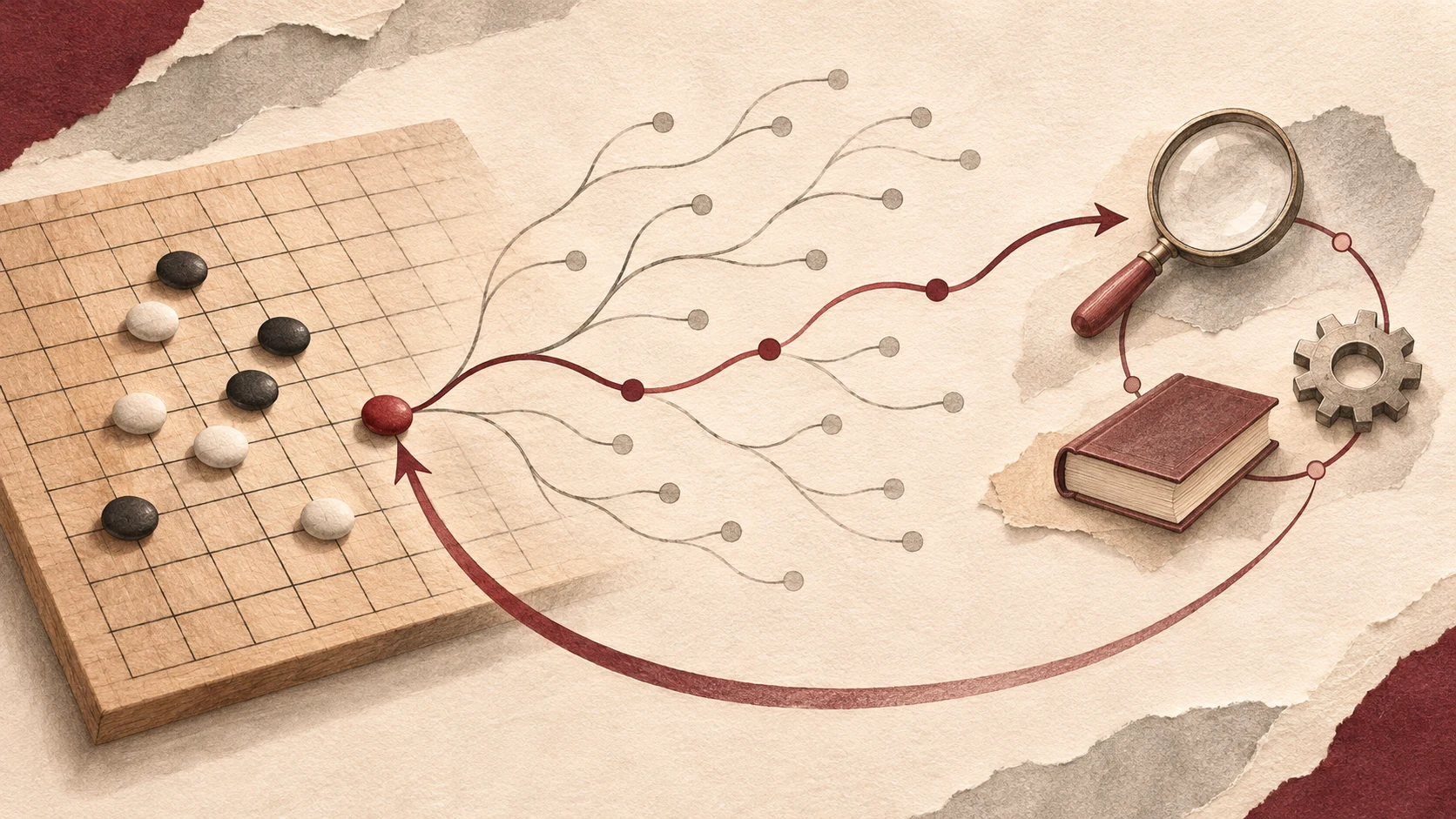
From a Gomoku Board to AI Agents: Inside PolyU COMP5511
From Gomoku search and handwritten digit recognition to agents that call tools, follow the PolyU COMP5511 course on EvoClass to see how different AI methods approach problems, and practice checking what they produce.

Two Plants Growing Differently: How Can We Find Out Why?
Same watering, different plants—why? EvoClass SCI401-HK, the Hong Kong Primary 4 Science course, uses soil water retention, fair testing and material properties to help children turn everyday guesses into questions they can observe, record and compare, then carry the evidence into their own designs.
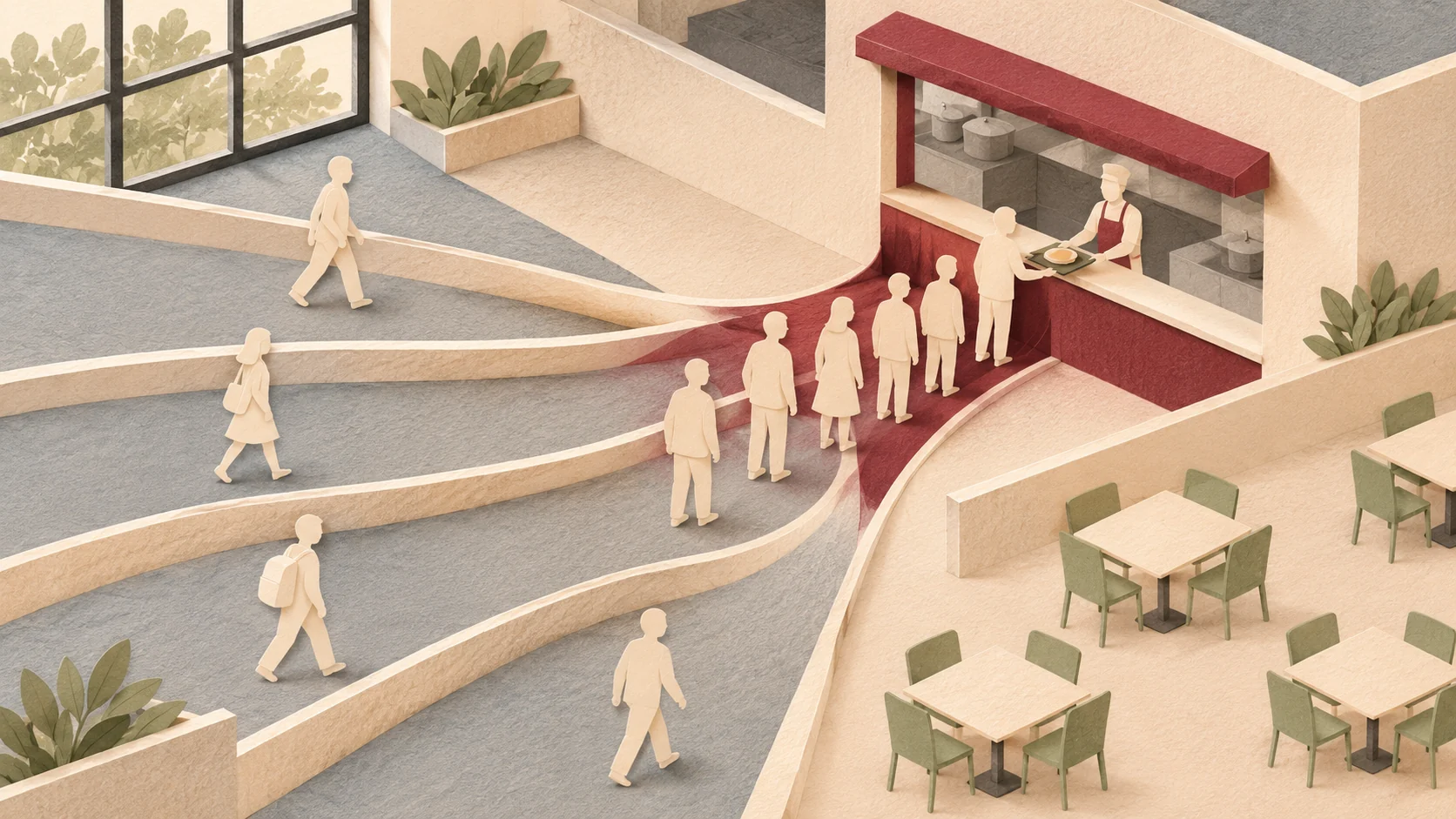
Why improving every part can still leave the whole failing: systems theory on connections
A faster step doesn't mean a smoother process. EvoClass PHIL003, "Systems Theory: Philosophy of Systems Science," starts from wholes and parts, levels, feedback and self-organization to help readers shift attention from individual objects to the relationships between them.
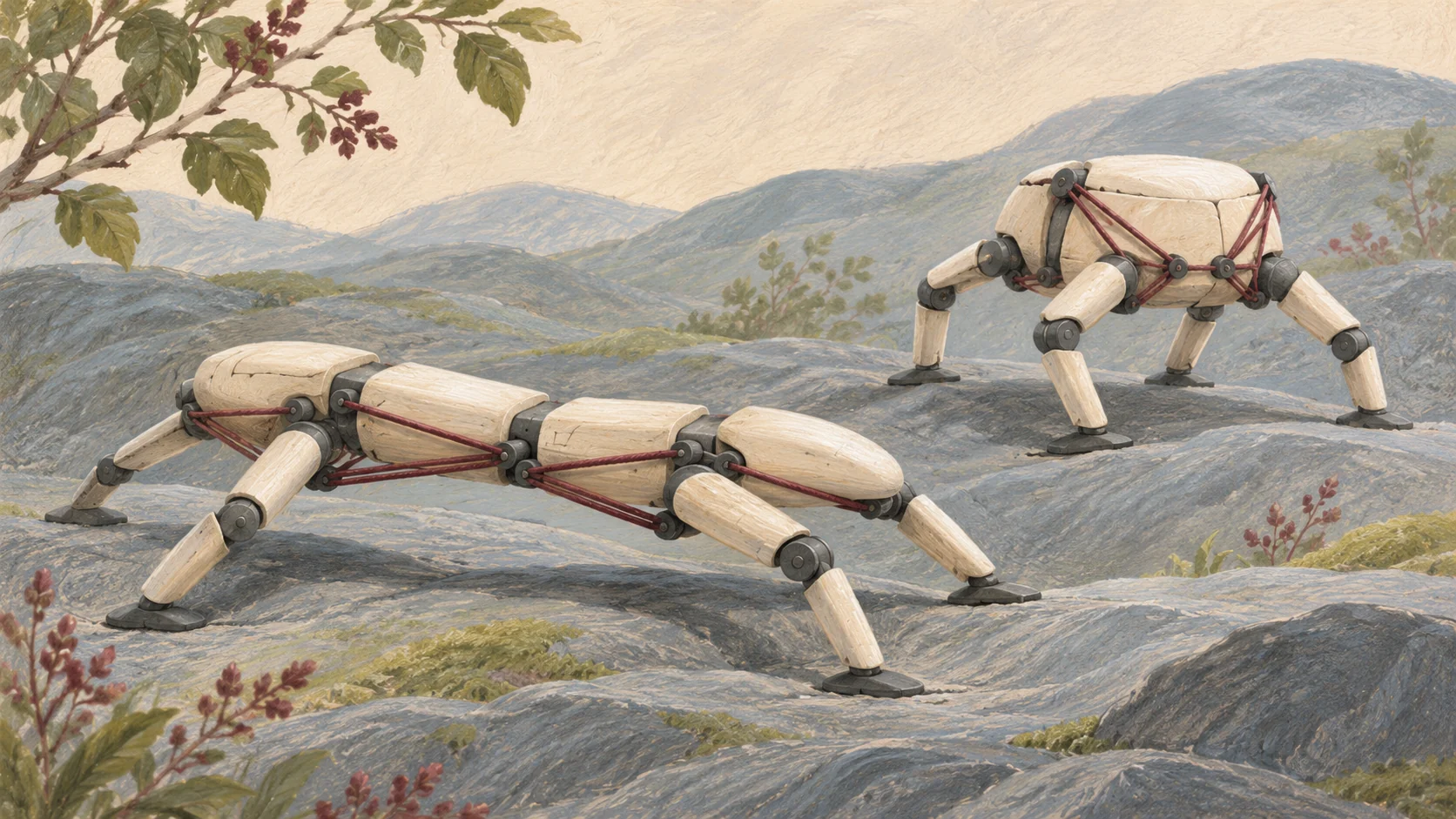
Is Intelligence Only in the "Brain"? Understanding Embodied AI Through Body and Environment
If you change the body's shape, does the same control scheme still work? EvoClass AI009L starts from the co-evolution of nervous systems and morphology, connecting developmental modeling, locomotion control and self-organization in swarm robotics, to help readers see why intelligence has to be examined in the context of body and environment.
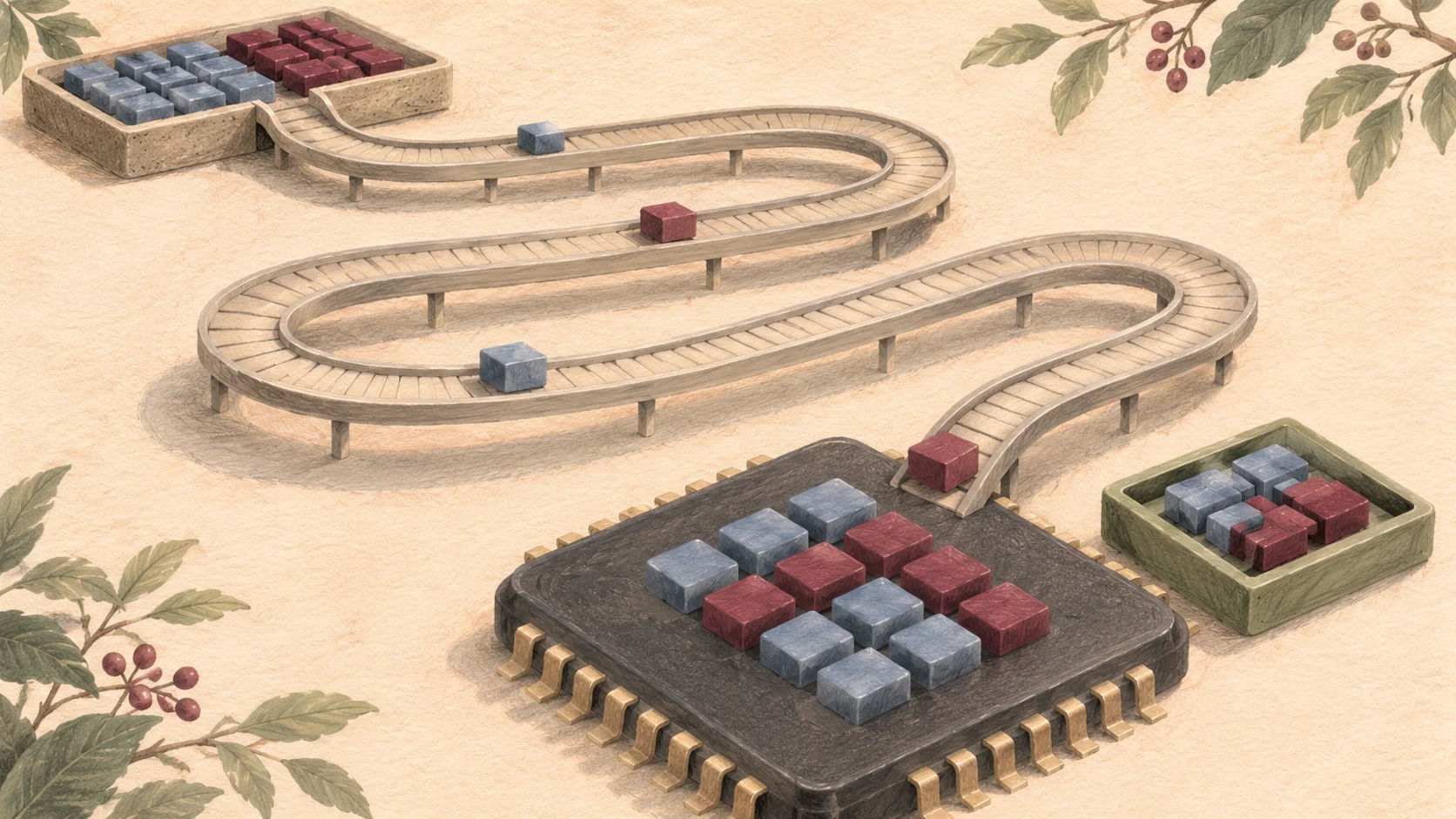
Right Answers, Slow GPU: Learning to Inspect Performance with Triton
A GPU program producing correct output does not mean it uses the hardware well. EvoClass AI023 moves from vector addition to performance measurement, Softmax and matrix operations, helping learners turn "I want faster code" into questions that can be tested.