Blog & News
Product updates, practical guides and stories from EvoClass.
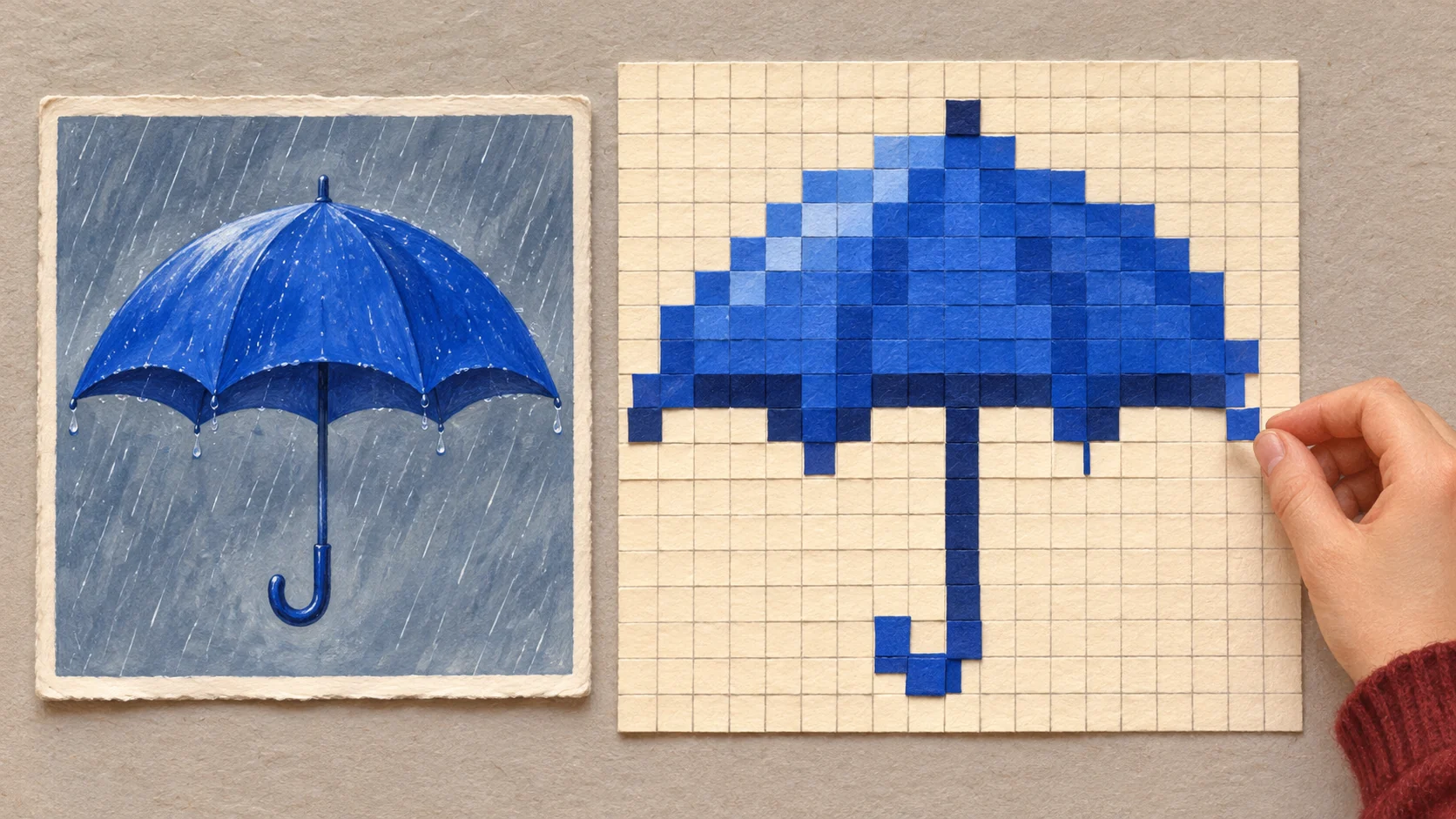
If the Same Umbrella Gets a New Background, Can the AI Still Recognize It?
What happens to a photo once it enters a computer? EvoClass's AI004 "AI Magic Lab" starts with pixels and classification, then introduces middle school students to generative AI, agents, and when humans need to check the results.

The Game Stopped Midway—Who Gets the Prize? Reading the History of Risk Through an Old Letter
From the problem of points debated by Pascal and Fermat to marine insurance and Knight's questions about uncertainty, EvoClass's ECON001 "Against the Gods: The Remarkable Story of Risk" traces how people have used probability, records and judgment to face the unknown.

Stuck halfway through an English story? Put your events back on the timeline first
Use the simple past for the events that happen, the past continuous to set the scene, and perfect forms to link two points in time. ENG004, EvoClass's visual English grammar course on tenses, uses timelines, example sentences and exercises to put these choices back into the situation where you are speaking.
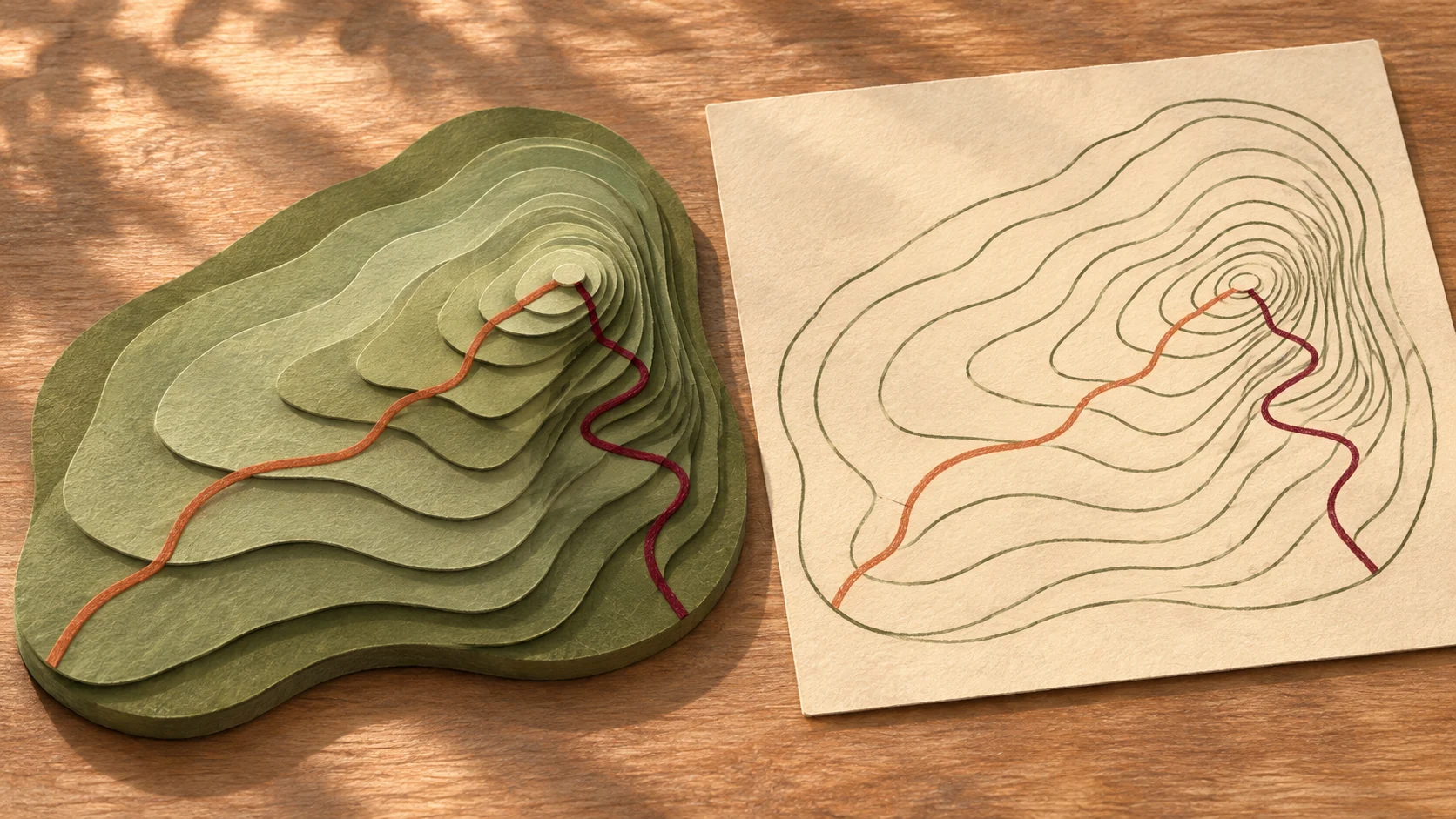
Which of Two Trails Is Steeper? Reading Grade 7 Geography Through Contour Lines
What can distance, direction and contour lines on a map each tell us? EvoClass's GEOG701A-PEP-CN (People's Education Press, Grade 7 Geography, Volume 1) starts with map reading and extends to changes in land and sea, weather and climate, and how settlements take shape according to terrain.

Why does a pencil look bent in a glass of water? A light-path exercise for eighth-grade physics
The apparent offset of a pencil dipped in water, the image in a mirror, and the convergence of a convex lens can all be explained by following the path light travels. EvoClass's PHYS801A-PEP-CN (PEP Eighth-Grade Physics, Volume 1) places these phenomena in lessons on reflection, refraction and lenses.

From a few lines of working Python to a small tool you can keep using
When records multiply and requirements change, copying a snippet is no longer enough. AI001 "Introduction to Python Programming" links conditions, data structures, functions and file I/O into a learning path you can practise step by step.

Put Documents in a Knowledge Base—Does That Make the AI Right?
Finding a relevant passage is only the starting point for a trustworthy answer. AI025, Practical RAG Systems, follows the path from document preparation through retrieval, citation and evaluation to ask how an answer can obtain enough evidence.

First Day at School: How Do You Introduce Yourself in Cantonese?
From a greeting and a short self-introduction to asking for directions and agreeing on a time, CHN001 "Practical Cantonese for Hong Kong Schools" turns recognised vocabulary into expressions you can actually use around campus.

Seeing a Result: How Do You Tell Whether It's Just Chance?
From a single sample to a conclusion, MATH003 "Probability and Statistics: The Science of Uncertainty" guides learners in examining the relationship between randomness, models and evidence.
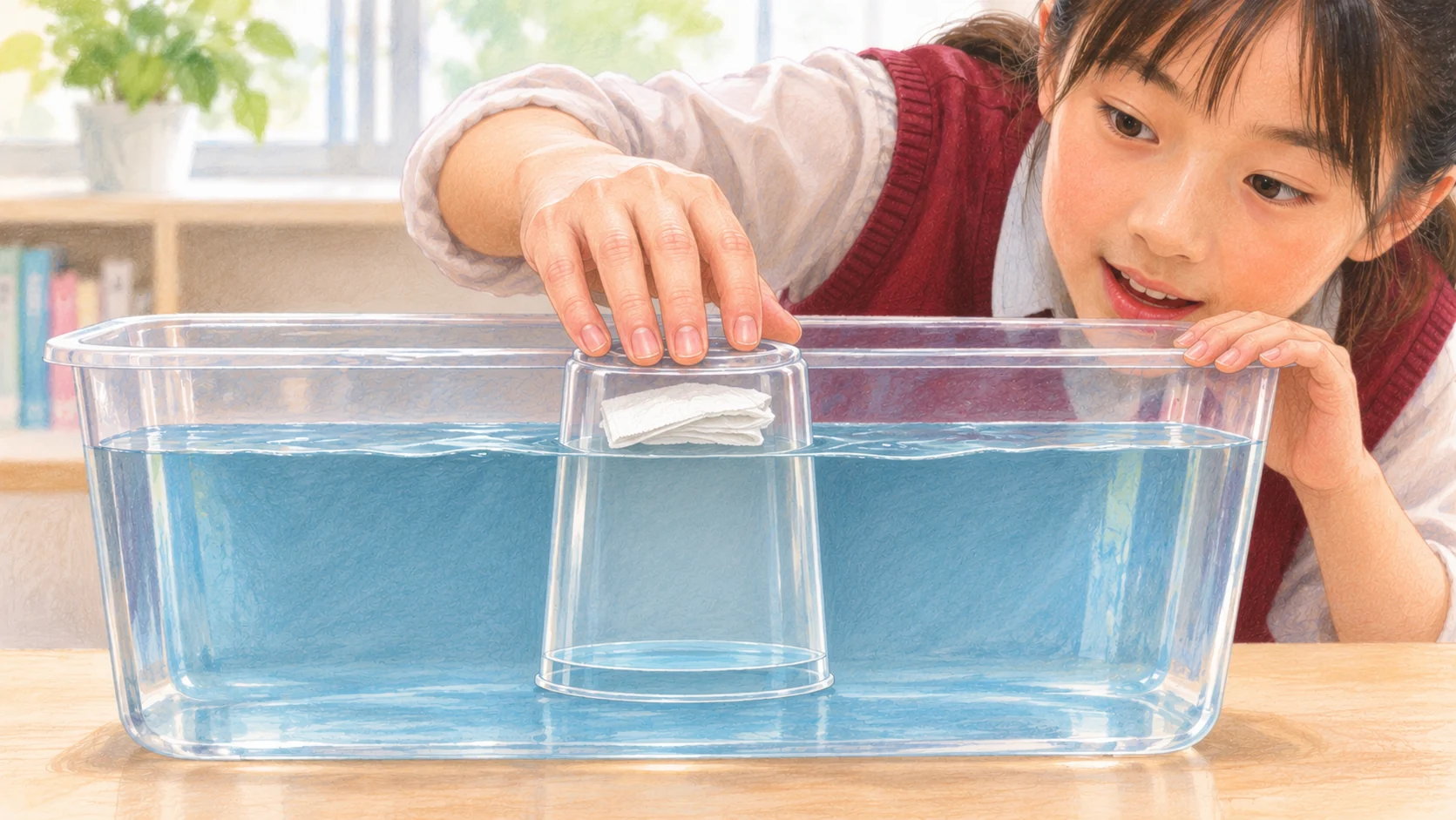
Air Is Invisible, So How Can You Show It Has Force?
From the trapped air in an upside-down cup to fossils in rock and a vibrating object, SCI501-HK Hong Kong Primary 5 Science links observed phenomena to explanations that need evidence.
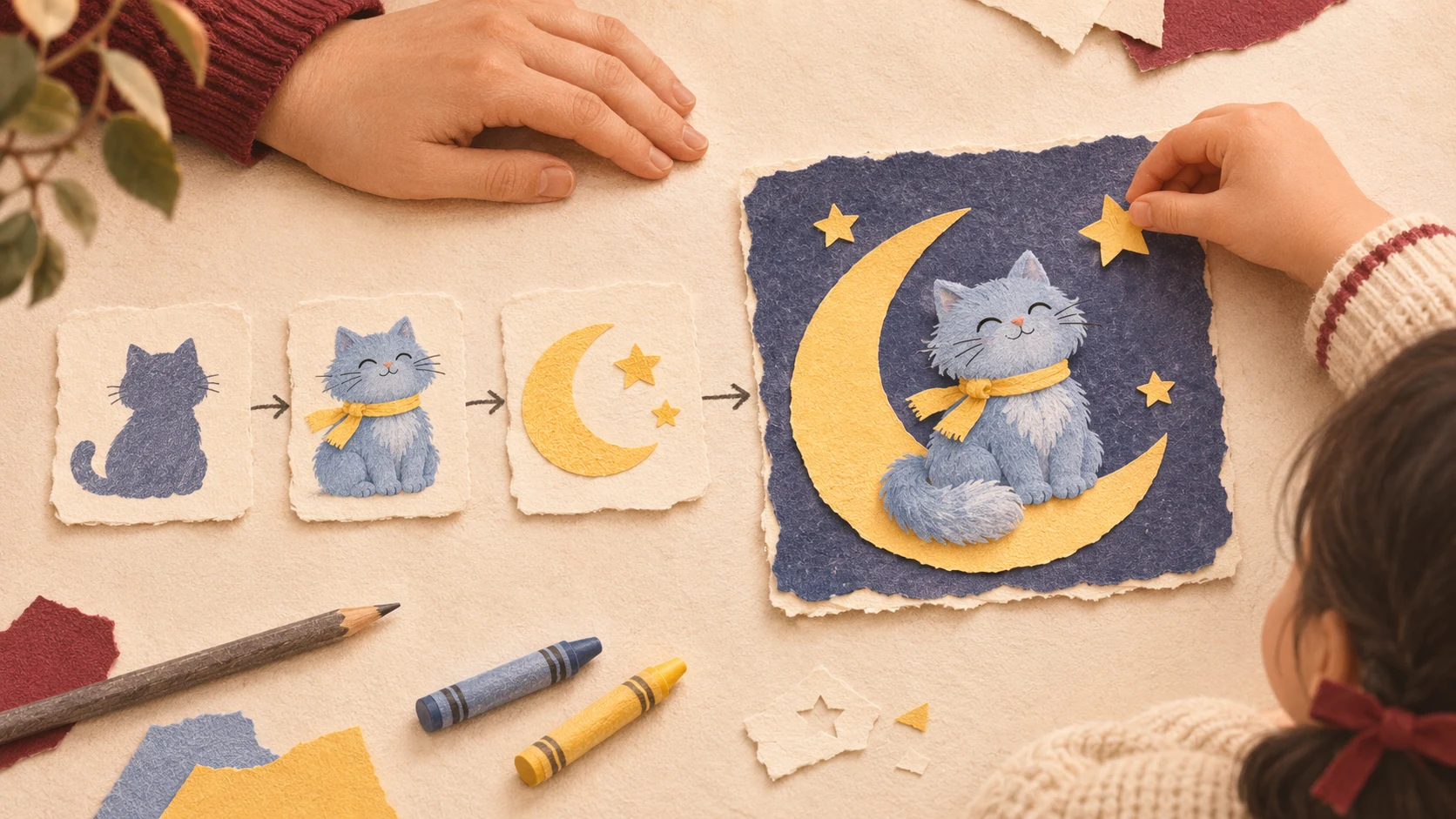
Why Is That Cat Different? Inside AI000, an AI Literacy Course for Children
Starting from a single request—"draw a cat"—EvoClass AI000, My Little AI Agent, brings expression, observation, error correction and collaboration into one learning path, letting children practice working with AI while they create.
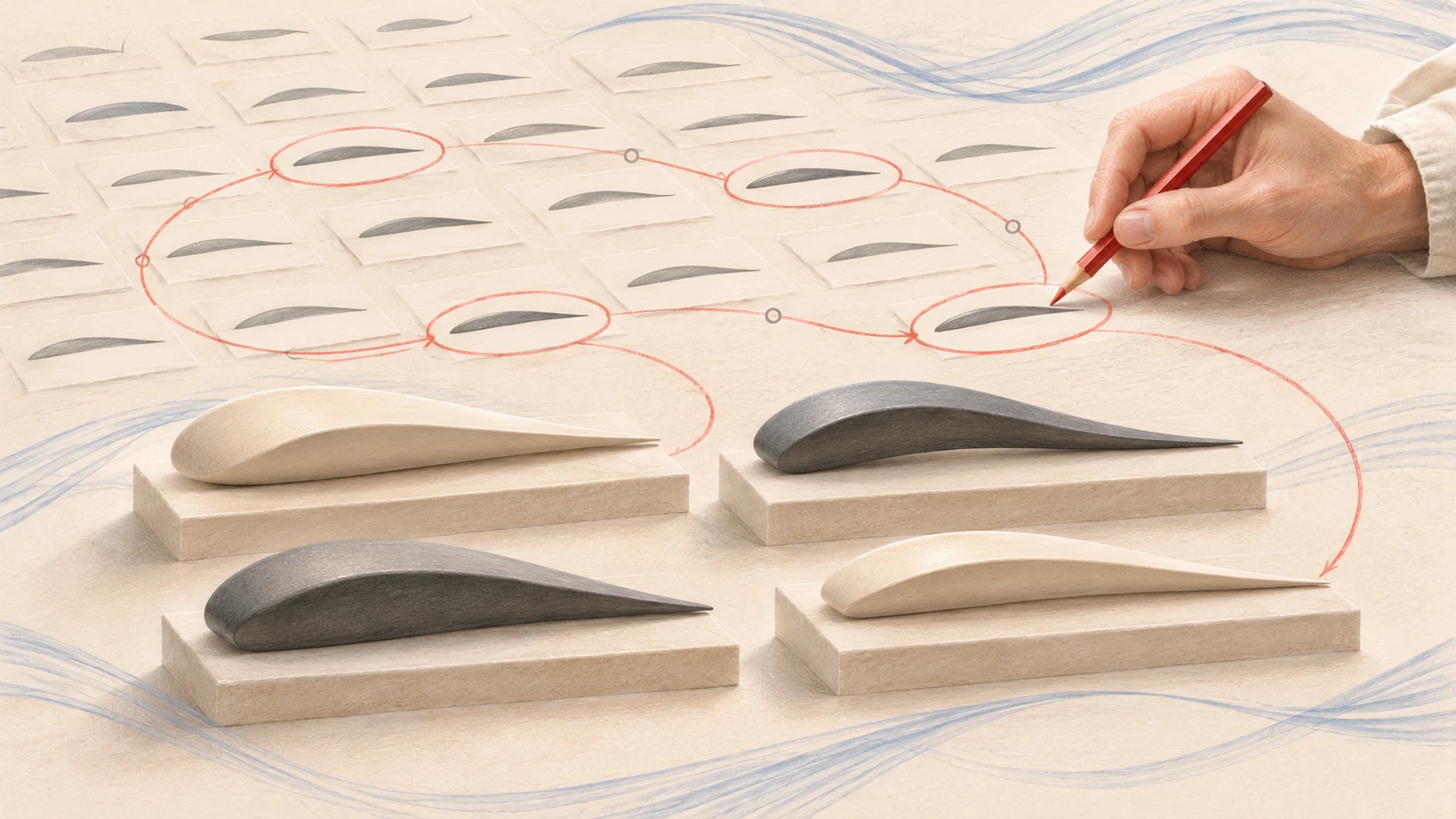
When One Proposal Is Not Enough: From Generated Answers to Ongoing Experiments
Explore AI999 through the trade-offs in airfoil design, and see how parallel computation, meta-evolution and research validation support ongoing experiments.